
A barn tells you what's wrong with it if you know where to look. The sag over the big door. The soft spot at the base of a post. The rustle of daylight through the roof boards. None of that is a mystery, exactly — it's a symptom, and in a barn you can trace most symptoms back to a cause you can actually fix. Barns were built as one open frame, readable from the floor to the ridge, which makes them more forgiving to assess than a finished house. Here's how to walk through an old barn, decide what matters first, and find people nearby who do this work well.
Start With a Slow Walk-Through
Do the walk before you decide anything. Come in daylight, wear boots, and carry a flashlight, a notebook, a camera, and something to probe wood with — a screwdriver or a sturdy pocketknife will do. Walk the exterior, then the interior, then repeat. You're looking for water.
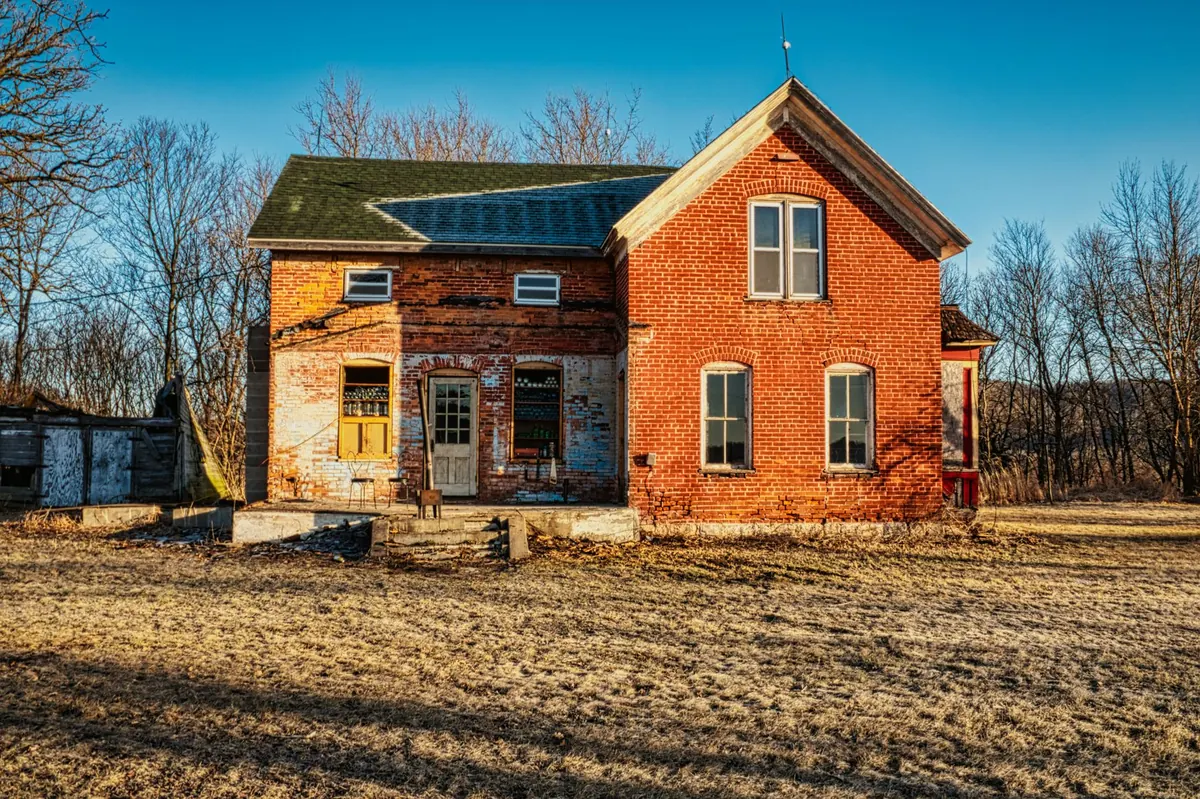
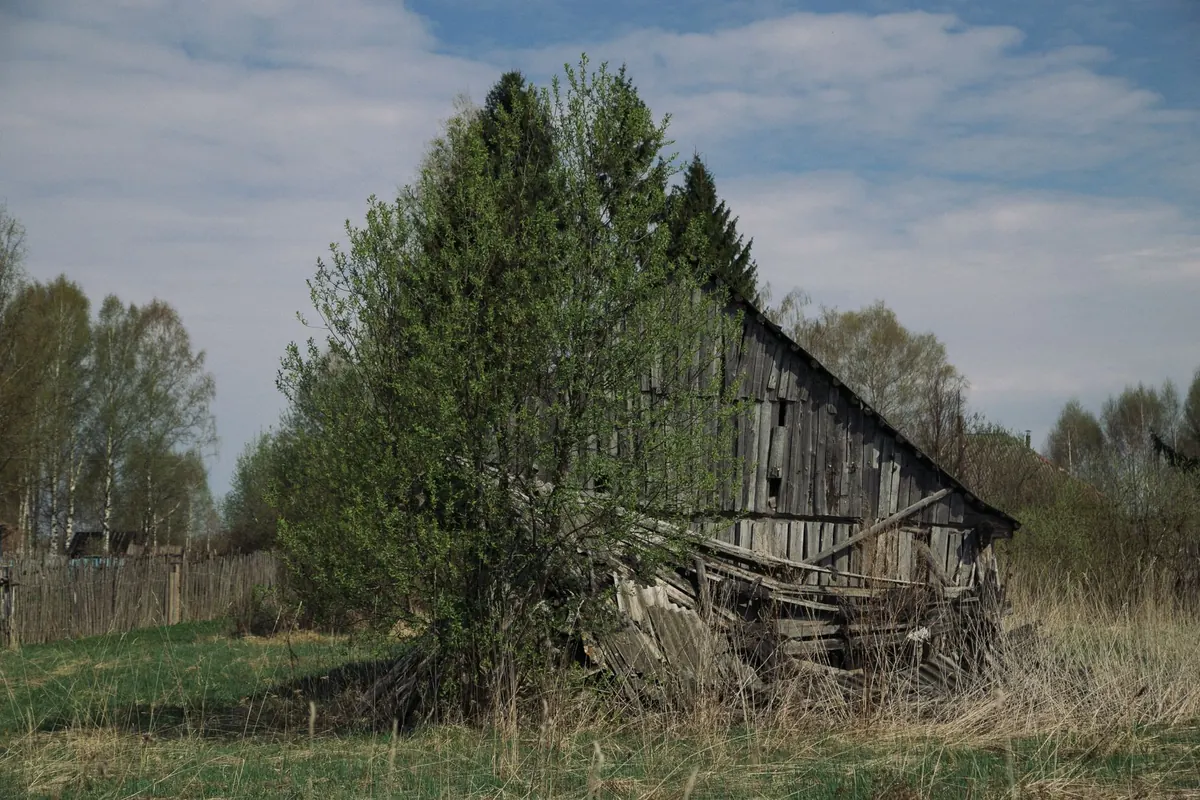
From outside: ground sloping toward the barn instead of away; downspouts missing or dumping right at the foundation; shingles curling, missing, or growing moss; siding boards rotted at the bottom edge; doors that no longer latch because the frame has moved.
Inside: dark stains and old water lines on posts; a powdery white or gray bloom on wood; rusted nails; a hay mow floor that dips; thin lines of daylight through the walls and roof. Photograph everything, including the parts that look fine. You'll want a baseline in a year.
Read the Frame, Post by Post
An old barn holds up through a handful of members. Learn their names and the walk-through gets much less vague.
- Sill: the beam lying on the foundation, carrying everything above it.
- Posts: vertical timbers that pass the load down to the sill.
- Girts and plates: horizontal members tying the posts together.
- Rafters and purlins: the roof frame.
- Bracing: diagonal pieces that keep the whole thing from racking sideways.
Probe the base of every post and along the length of the sill. Sound wood resists a screwdriver; punky wood gives way or answers with a hollow thunk. Pay attention wherever wood meets stone, concrete, or another timber, because those joints trap moisture and rot first.
Then step back and look at the whole shape. Lean, bow, and twist matter less as a snapshot than as a trend. A barn out of plumb by a few inches over thirty feet is often perfectly serviceable. A barn that has moved an inch since last spring is not. That's why a dated photo log — or a pencil mark on a post, rechecked each year — is one of the most useful tools you own.
Sort Problems Into Three Buckets
Emergency. A post that has failed, a roof section that has lost its support, a wall actively racking. These get temporary bracing now and a professional soon. Don't stand under them while you think about it.
Structural. Rot in sills and post bases, a cracked girt, broken braces, a sagging ridge. Fix within a season or two.
Cosmetic. Missing siding boards, a sticking door, moss on the foundation. Deferred without guilt.
Most barn advice online is about restoration. Your barn doesn't need to be restored — it needs to stay standing and dry. That distinction saves years of work and a great deal of money. One caveat: if the barn is listed on a historic register, or you're hoping to use a preservation grant or tax incentive, materials and methods may be regulated. Confirm that before you pick up a saw. Rules vary by state and county, so check with your state historic preservation office rather than relying on what worked for a neighbor across the line.
Water Is the Enemy You Can Beat
Nearly every failure in an old barn traces back to water, and water is the cheapest thing on this list to fix.
- Roof. Patch and replace before anything else.
- Gutters and downspouts. Clean them, repair them, and send water several feet clear of the foundation.
- Grading and drainage. Ground inside and around the barn should shed water, not hold it.
- Ventilation. Barns breathe. Clogged vents and sealed-up walls trap moisture and grow rot.
- Then structural repair. Then siding, doors, and paint.
Painting is tempting because it looks like progress. On a wet building, paint traps moisture and speeds up rot. Fix the water first, always.
Finding Local Help
Three places to start, in roughly this order:
- Your state historic preservation office. Most keep lists of contractors who work on old buildings, plus survey records and information on grant and tax-credit programs. Even if you never apply for anything, the staff usually know who does timber work in your county.
- County extension offices and local historical societies. These are the people who know which neighbor has already been through this.
- Timber framers, millwrights, and barn-specialty builders. Look for someone with old timber frame experience, not just new construction. Ask to see a frame they've repaired and to speak with a past client.
Salvage yards and lumber dealers that stock reclaimed beams and matching siding are worth a call too. A replacement piece of old-growth pine is often easier to find than people expect.
For anything structural, get more than one opinion. Ask about insurance and references, and ask directly what happens if something shifts after they leave.
Safety and Budget Notes
Old barns are full of hazards: weak floors, falling debris, wasp nests, dust, and walls that are less stable than they look. Never work alone under a questionable structure, and don't stand beneath a sagging member to inspect it from below.
Costs vary enormously with region, access, and how much wood is rotten, so local quotes are the only figures worth trusting. Some places offer tax incentives for rehabilitating historic agricultural buildings and some don't; eligibility rules are specific and change. Confirm with your state preservation office or a qualified accountant before you plan around any of it.
If a barn is genuinely past saving, document it — photos, rough measurements, notes on joinery — and consider salvaging the frame. That's still a barn's worth of material, and someone nearby may want it.
Start With Three Small Things
Pick one weekend. Clear brush and debris away from the foundation. Clean the gutters. Walk the frame post by post with a notebook and a camera and write down what you find. That's the whole job for now — not rebuilding, just knowing what you have.
Most old barns don't need a rescue. They need a decade of small, boring maintenance done in the right order: water moved away from the wood, rot stopped at the base, bracing kept tight. Do that, and a barn raised a hundred years ago can comfortably see another hundred.
Photo: Plato Terentev / Pexels