
A harvest festival works best when it feels less like an event and more like the village doing something together. The first planning meeting in late summer—folding chairs, coffee, maybe a plate of zucchini bread—is where it starts. The goal isn’t a perfect production. It’s a Saturday in October when neighbors, farmers, school families, and the folks who’ve lived here for decades all end up in the same field, talking. Good planning makes that happen without exhausting the same five volunteers who always do everything.
Begin With a Clear Purpose and a Budget You Can Defend
Before booking a hayride or printing flyers, decide what the festival is for. A fundraiser for the fire department? A way to welcome new families? A chance to celebrate the last of the garden harvest? Write it in one sentence and keep it visible. That sentence settles a lot of arguments later.
Then build a simple budget. A spreadsheet or a notebook with columns will do. List expected income—sponsorships from local businesses, booth fees, donations, meal sales—and expected costs. Be conservative on income and generous on costs. Add a cushion for the surprises that always come.
Four Budget Buckets That Cover Almost Everything
- Site and safety: rentals, portable toilets, lighting, trash removal, insurance, permits.
- Food and drink: ingredients, serving supplies, propane, ice, water.
- Activities and entertainment: music, hay, pumpkins, craft supplies, prizes.
- Publicity and signage: printing, banners, road signs, social media ads.
Handle Permits, Insurance, and Safety Before You Get Attached to Your Plan
This is the unglamorous part, and it’s where small festivals get into trouble. Rules vary by town, county, and state, so start with a call to your local municipal office or county clerk. Ask what is required for a public gathering on public or private land, food service, amplified music, temporary structures, road closures, and parking. If you’re serving food, ask about food handler requirements and kitchen inspections. If you’re using a park or fairground, ask about reservation dates and cleanup deposits.
Insurance matters too. A community event may need liability coverage, and vendors may need to show their own. If a nonprofit or town committee runs the festival, check whether existing coverage extends to the event. When in doubt, consult a licensed insurance agent or attorney who knows local rules. Getting this right early protects everyone and keeps the mood generous.
Also appoint a safety lead. That person confirms first aid supplies, knows where the nearest hospital is, watches the weather, and has a plan for lost children. Post a simple map with exits and first aid.
Recruit Volunteers in Small, Specific Shifts
“The festival needs help” attracts nobody. “Can you sit at the welcome table from 10 to noon?” gets a yes. Break the day into two-hour shifts, name a captain for each area, and write one-sentence instructions. Use a sign-up sheet at the general store, the library, the feed store, and the school office. Online sign-ups work too, but not everyone in a rural community lives on a screen.
Jobs That Need Names Early
- Setup crew and parking guides
- Welcome table and food servers
- Activity helpers and cleanup crew
- Photographer and parade marshals, if you have a parade
- A runner who can solve problems
Feed your volunteers. A pot of chili, coffee, and a place to sit makes a difference. Thank them publicly and specifically. And don’t ask the same person to run three jobs. Burnout is the fastest way to kill next year’s festival.
Build Activities Around What Your Place Already Does Well
The best harvest festivals borrow from local life. If there are orchards, plan a cider press. If there are quilters, invite a quilting demonstration. If there’s a strong 4-H club, ask them to run a petting area or a pumpkin decorating table. If there are musicians, give them a hay wagon stage.
A good schedule alternates high-energy and low-energy activities:
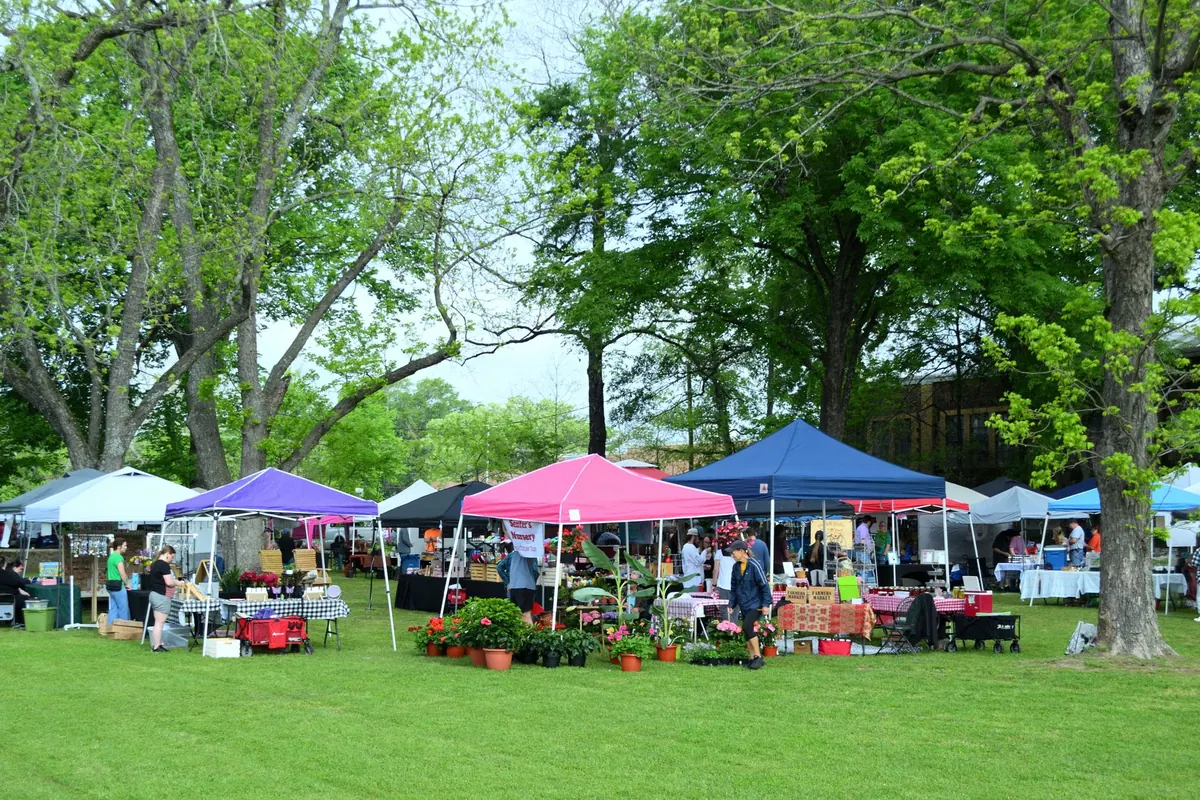
- Morning: coffee, baked goods, a farmers market, and a kids’ scavenger hunt.
- Midday: main meal, live music, pie contest, tractor or antique car display.
- Afternoon: hayrides, sack races, pumpkin rolling, craft tables, and a storytelling corner.
- Evening: bonfire, soup supper, square dance or acoustic music, and a lantern walk.
Make a paper schedule for the welcome table. Confusion at the gate is the enemy of fun.
Food, Vendors, and Waste: Plan the Flow
Decide whether you’re selling food, potlucking, or inviting vendors. A potluck is cheap and social but needs labels for allergens and a way to keep hot foods hot and cold foods cold. Vendors bring variety but need clear rules about setup time, booth size, electricity, and cleanup. Put it in writing.
For waste, set up clearly marked stations: trash, recycling, and compost if your hauler can take it. Ask vendors to use compostable or reusable serving ware when possible. Assign someone to check bins every hour. A tidy field at the end of the night is a gift to the cleanup crew.
Publicity That Reaches Beyond the Usual Crowd
Start four to six weeks out. Print simple flyers with the date, time, location, and one clear image. Put them where people already go: the post office, library, laundromat, diner, church bulletin, school newsletter, and feed store. Send a short notice to the local paper and radio station. They often need it two weeks ahead.
Use social media, but don’t depend on it. Ask local business owners to share the event. Create a Facebook event and invite people personally. Put a banner on the main road if local rules allow. And ask neighbors to tell neighbors. In a small community, word of mouth still fills more chairs than any ad.
A week before, confirm every permit, vendor, volunteer captain, and performer. Print a one-page run sheet. Charge phones. Fill water jugs. Then let the day be what it is.
Keep the Festival Human
The measure of a harvest festival isn’t how many people came. It’s whether people felt welcome, whether the pie table sold out, whether a kid got to ride a tractor for the first time, and whether anyone felt like they were working alone. Assign a greeter. Save a parking spot for elders. Make sure the accessible path is clear. Put a jar on the welcome table for suggestions for next year.
Afterward, gather the core crew for a short debrief. What worked? What should change? Write it down while it’s fresh. Then thank everyone again, return borrowed tables, and put the leftover paper goods in a labeled box for next autumn. Planning a harvest festival is really planning a reunion with cider and pumpkins. Do that well, and the village will show up.
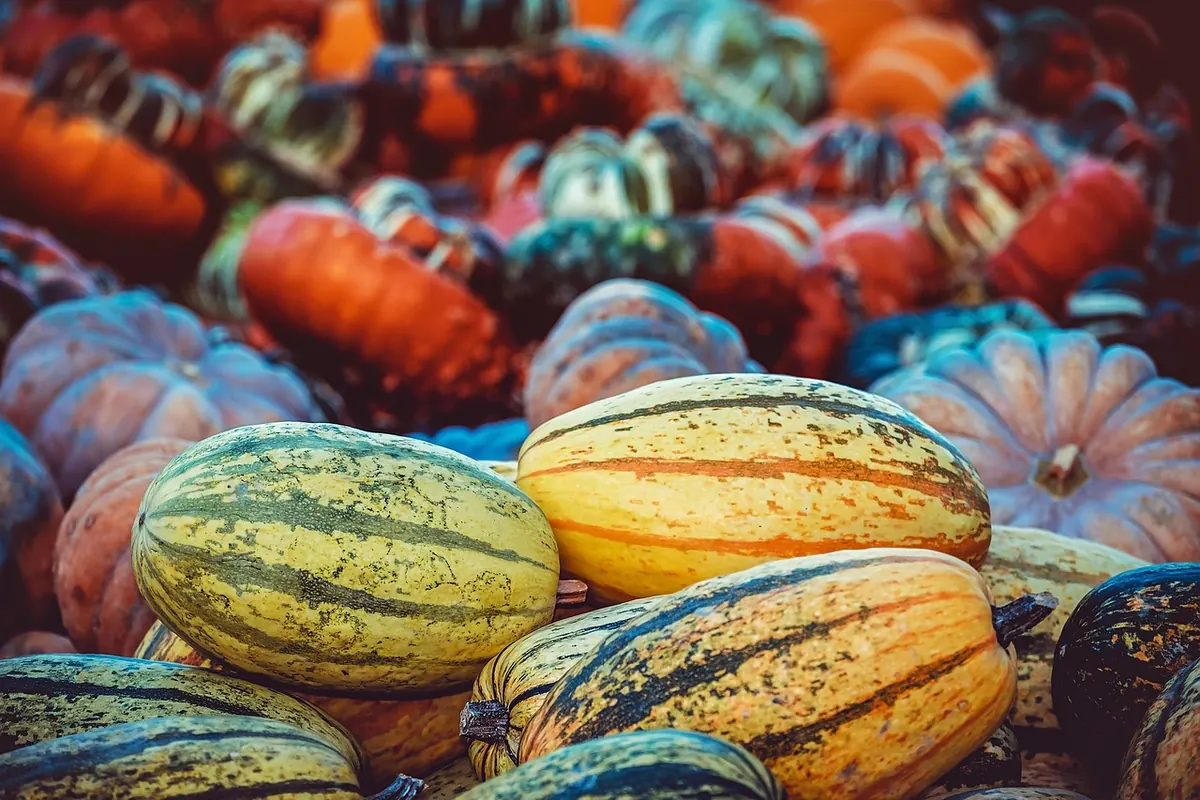
Photo: Couleur / Pixabay