
A farmers market and a country fair can both fill the same gravel lot on a Saturday, draw the same pickup trucks, and sell the same jars of honey. That resemblance is exactly what gets small towns into trouble.
The two events are built for different jobs. One is a weekly habit. The other is an annual homecoming. Choosing the wrong shape for your community — or trying to run both with the same eight volunteers — is how good intentions turn into a folding table nobody wants to staff in August.
Start With Purpose, Not With Tents
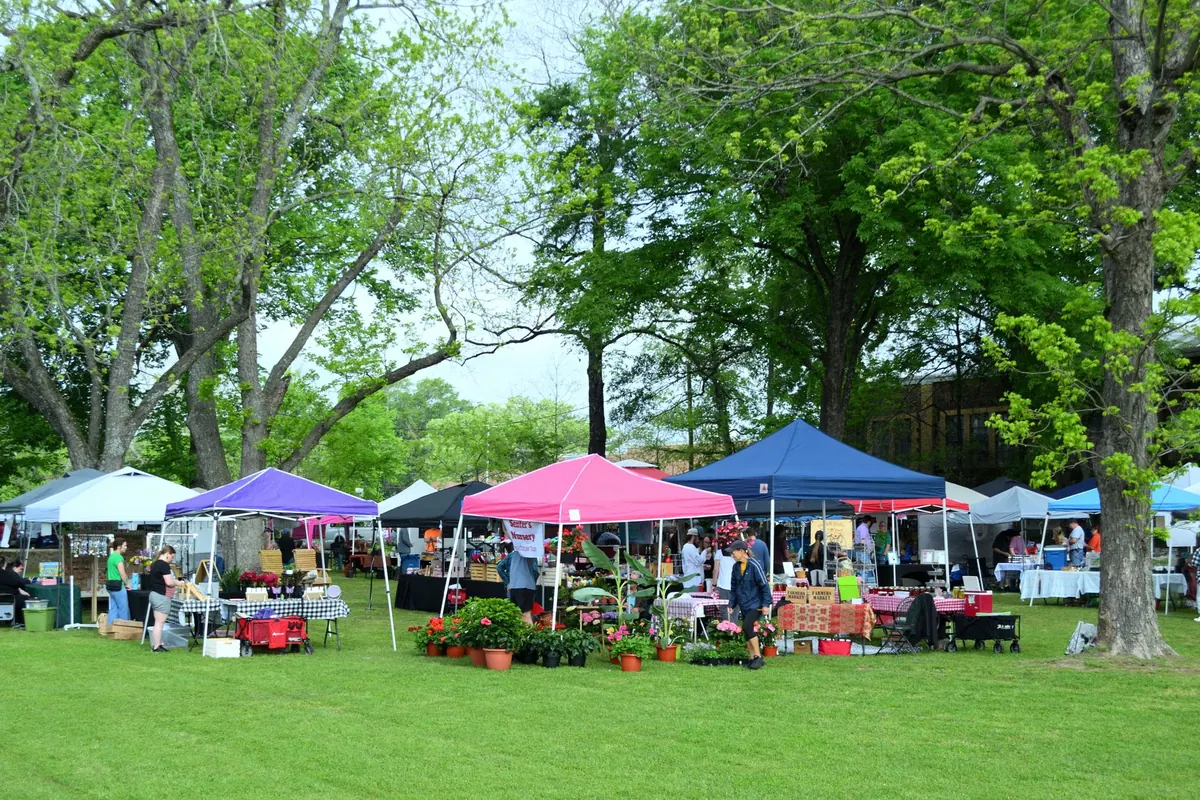
A farmers market is recurring retail. Its purpose is to give local producers a dependable outlet, week after week, so a grower can sell out on Saturday and plant more for next Saturday. Success looks like repeat customers, vendors who show up on time, and a rhythm the town can plan around.
A country fair is a gathering. Its purpose is to mark a season, show off the year's work, and put neighbors in the same field for a day. Success looks like entries in the exhibit hall, a full grandstand, and kids who remember it when they're grown.
So ask the plain question before anything else: in five years, do you want a dozen farms with a reliable outlet, or the one weekend everyone comes home? Both are worth building. They just aren't the same building.
The Money Takes Two Very Different Shapes
The market budget
Markets are cheap per day and steady per year. Week to week you're covering a manager's time, insurance, signs and a banner, tables or tents for vendors who don't own them, access to power and water, advertising, and a little gas money for whoever plays music. Revenue comes from booth fees, a season sponsor, a small grant, maybe a raffle.
The money is thin but predictable, which is a gift. Keep one simple spreadsheet, record every week, and revisit your booth fee once a year with real numbers in front of you instead of a feeling.
The fair budget
Fairs are lumpy and front-loaded. Grounds mowing and repair, tent and bleacher rentals, insurance for rides and events, ribbons and premiums, judges' travel, parking crews, waste removal, security, sound, publicity — it piles up before the first ticket is sold. Revenue arrives in a burst: gate, concession and vendor fees, sponsors, entry fees.
A fair can raise a serious amount of money in one weekend and spend every bit of it. Build the budget backward from what you know you can cover, not forward from what you hope to earn. And handle permits, insurance, food-safety rules, and any tax questions with your county offices, your insurer, and a qualified professional. Requirements vary widely by state and county, and getting them right in year one is far cheaper than untangling them in year three.
Vendors: Who Says Yes, and Why
Markets ask for a real commitment. Every week, same hours, rain or shine. That's a bigger ask than it sounds once you factor in harvest timing, weather, off-farm jobs, and kids' schedules. Recruit producers whose season actually matches your market window, and keep them with predictable hours, shade, fair spot rotation, quick answers when something breaks, and a manager who returns phone calls.
Fairs ask for a single day, which is a much easier yes. But fair vendors judge you on foot traffic. If the gate is thin, they won't come back, and word travels. Here's roughly who shows up where:
- Market regulars: vegetable growers, egg and honey sellers, bakers, jam and preserve makers, seedling and flower starts, a coffee cart, a knife sharpener, a rotating craft table.
- Fair booths: livestock exhibitors, 4-H and FFA clubs, tractor and antique displays, quilt and canning entries, commercial vendors, food trailers, a midway.
Either way, know your local rules before you promise anyone a table. Cottage food laws, licensing, and labeling requirements are handled by your state or county health department, and they differ from place to place.
Entertainment That Fits the Footprint
Market entertainment should be ambient. A duo under the oak tree. A chalk table for kids. A cooking demo at ten. A library table giving away paperbacks. If it needs a stage, a sound check, and a printed run-of-show, it's probably too big for a market morning — and it will pull attention away from the tables, which are the point.
At a fair, the schedule is the product. Grandstand acts, tractor pulls, a pie auction, a parade, fireworks, a demo derby. That means a printed schedule, an announcer, a working microphone, and someone whose only job that day is keeping the afternoon moving. Fairs sell a program. Markets sell vegetables. Mixing those up makes both feel off.
Volunteers: The Real Currency
Markets need a few people, often. A manager, two for setup, someone on social media, someone who will write the grant. Six to ten reliable people can carry a season if the shifts are short and the expectations are clear.
Fairs need many people, all at once. Grounds, gates, parking, exhibits, judging, concessions, cleanup, first aid, publicity. A weekend fair can absorb dozens of volunteers and still need more hands on Saturday morning.
Whichever you choose, ask for named shifts with a start and an end. "Saturday, eight to eleven, at the gate" gets a yes. "We need help with the fair" does not. Write the schedule down, feed your people, and thank them by name in front of the whole town.
A Gut-Check Before You Commit
- Is there one person who will still answer the phone in July, when the novelty has worn off?
- Which can you actually fill: thirty short shifts, or eight long ones?
- Have you asked five potential vendors what they'd sell, and during which hours?
- Does the site have parking, shade, water, and restrooms that work for a crowd?
- Are the permits and insurance on paper, not just in a conversation?
- Will the same crew come back next year, or is this a one-time push?
Start Small, Then Grow Into the Right Shape
Don't open with the biggest version of either event. Pilot a four-week summer market on Tuesday evenings in the church lot, or fold a one-day fair into something that already happens — a harvest supper with a pie contest and a few booths. Borrow paperwork and lessons from a nearby market or fair board; most organizers will happily hand over their vendor forms and their mistakes.
Keep one folder, paper or digital: permits, insurance, vendor contacts, volunteer shifts, and last year's numbers. When the pilot ends, sit down and read it honestly.
Plenty of towns end up with both a modest weekly market and a fair that runs on tradition. Almost none of them start both in the same year with the same volunteers. Pick the one that matches what your community needs now, run it well, and let the other wait until you have the hands for it.
Photo: John Robertson / Pexels